When should you send wedding invitations?
By Harita Kapur
Last updated: May 16, 2026
If you’re wondering when you should send wedding invitations, the short answer is this: while general wedding etiquette often suggests mailing invitations six to eight weeks before the wedding, couples planning a custom wedding with a thoughtfully designed invitation suite often need a significantly earlier timeline.
For bespoke wedding stationery, mailing invitations 12 to 14 weeks before the wedding is often the more practical standard.
Why? Because custom wedding invitations involve more than the mailing date alone, and guests need adequate time to receive, review, and respond.
Custom invitation suites involve more than selecting a template and hitting print. Specialty production methods, proof revisions, guest addressing, assembly, mailing logistics, and the realities of USPS delivery all affect timing. Guests also need time to receive their invitation, return RSVP cards by mail, and make travel arrangements when needed.
At Hartsy Designs, our invitation design process often begins up to six months before the wedding to allow space for creative development, revisions, production, and a seamless mailing experience.
This guide walks through the ideal wedding invitation timeline, when to send invitations earlier, and how to plan your stationery process with confidence.
Wedding Invitation Etiquette: The General Rule vs. Custom Wedding Timelines
Traditional wedding etiquette often recommends mailing invitations six to eight weeks before the wedding date. That guidance can work well for smaller local weddings with simple invitation needs, minimal travel, and short production timelines.
But custom wedding stationery follows a different rhythm.
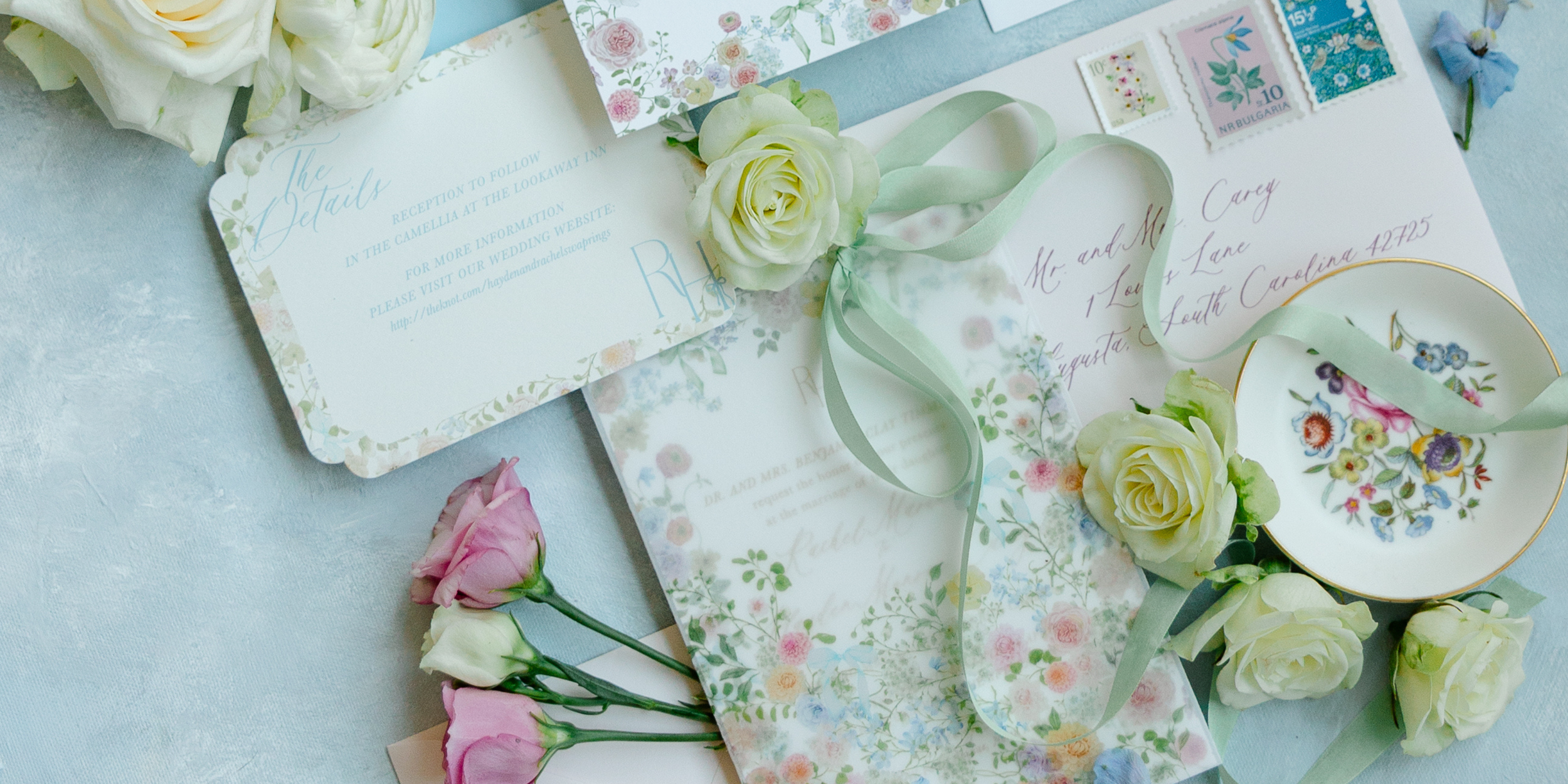
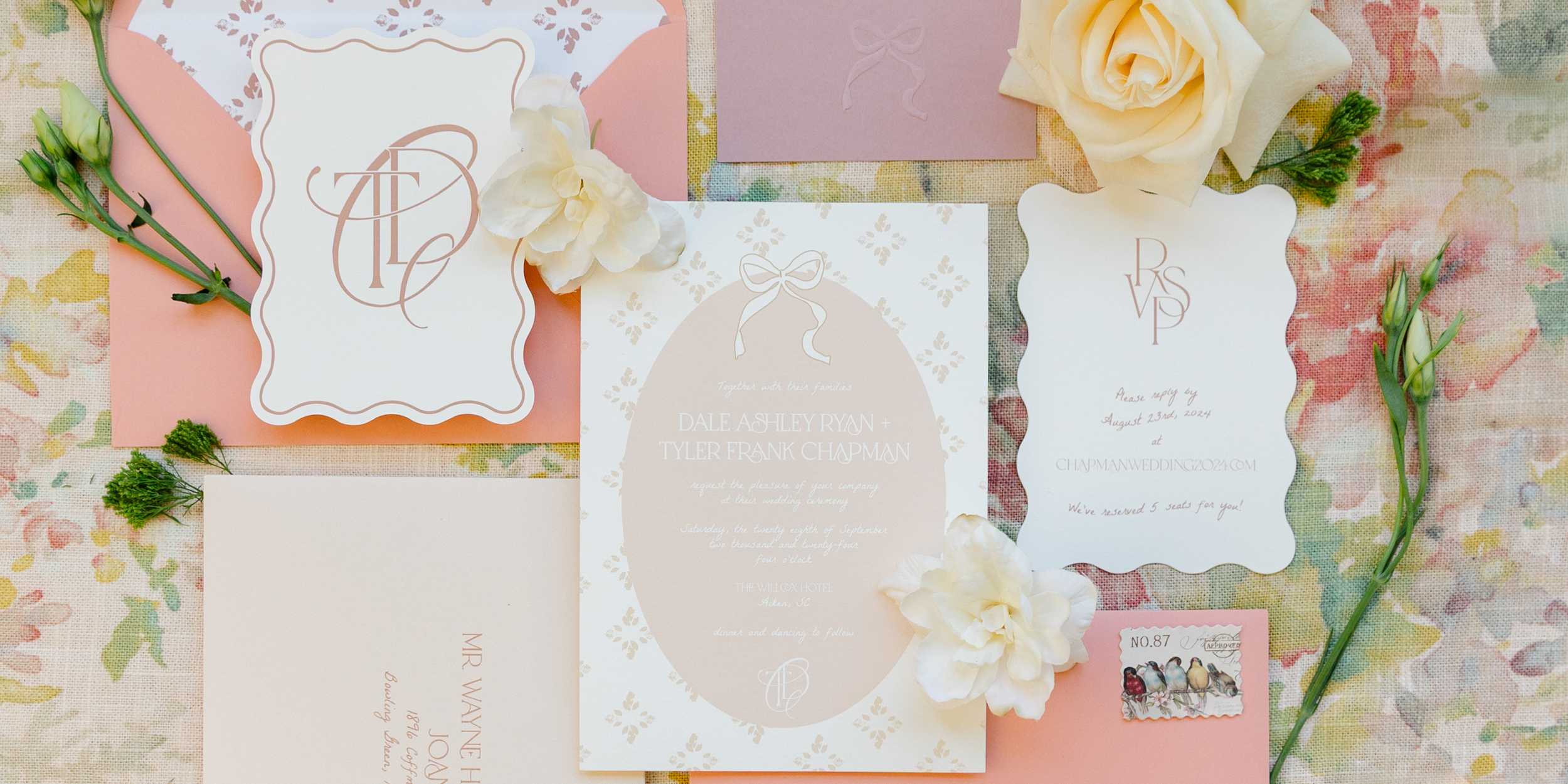
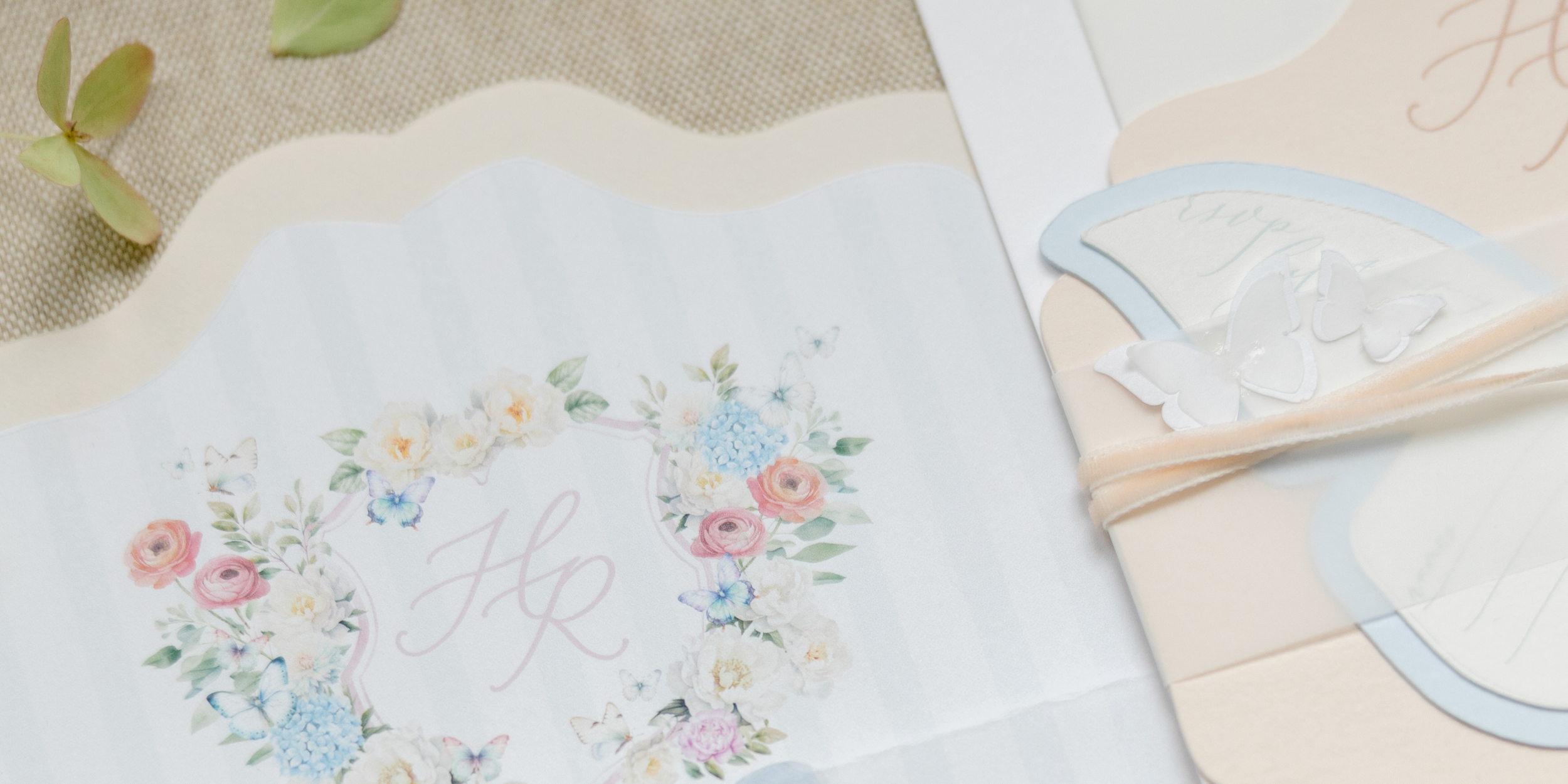
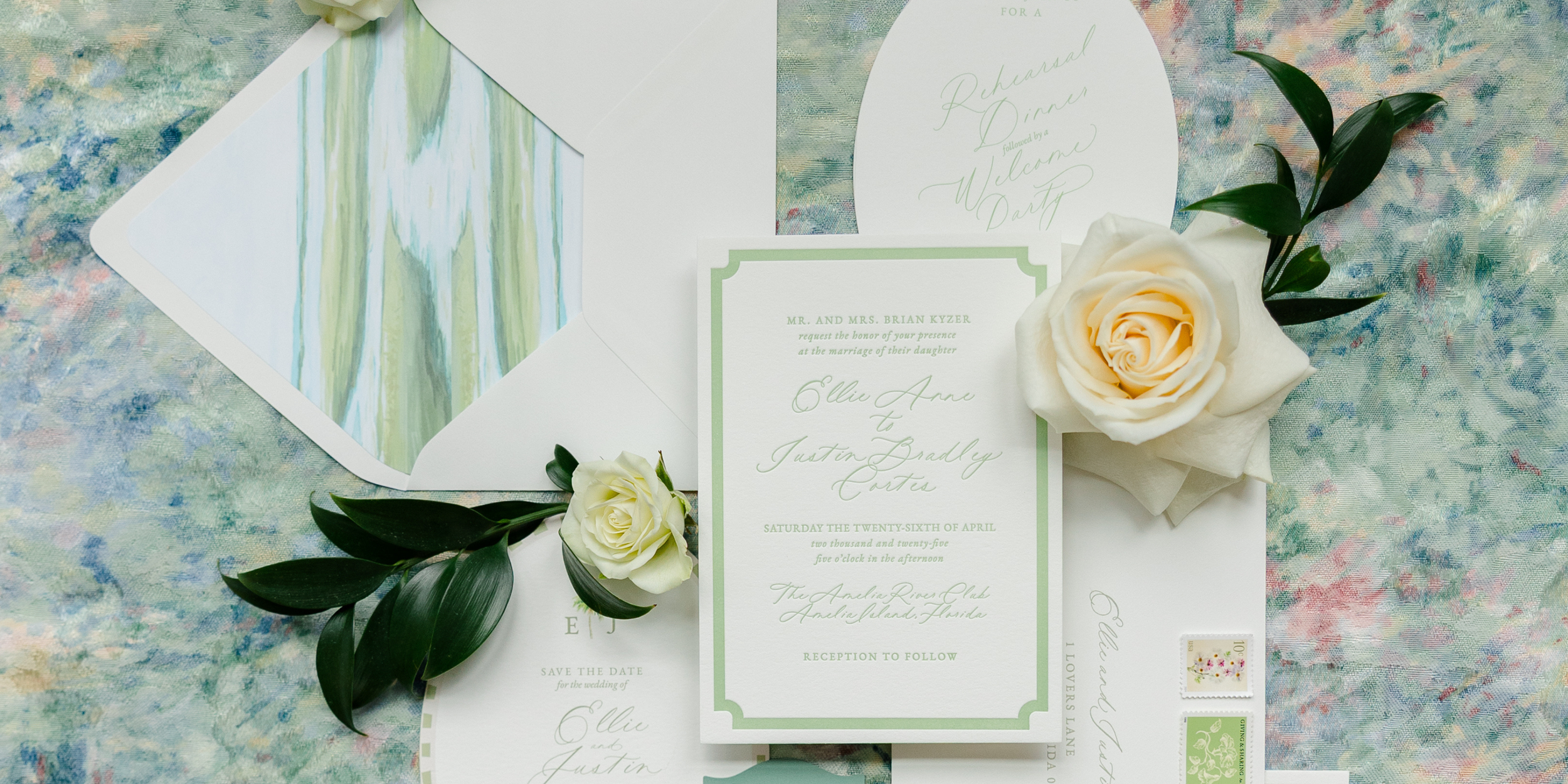
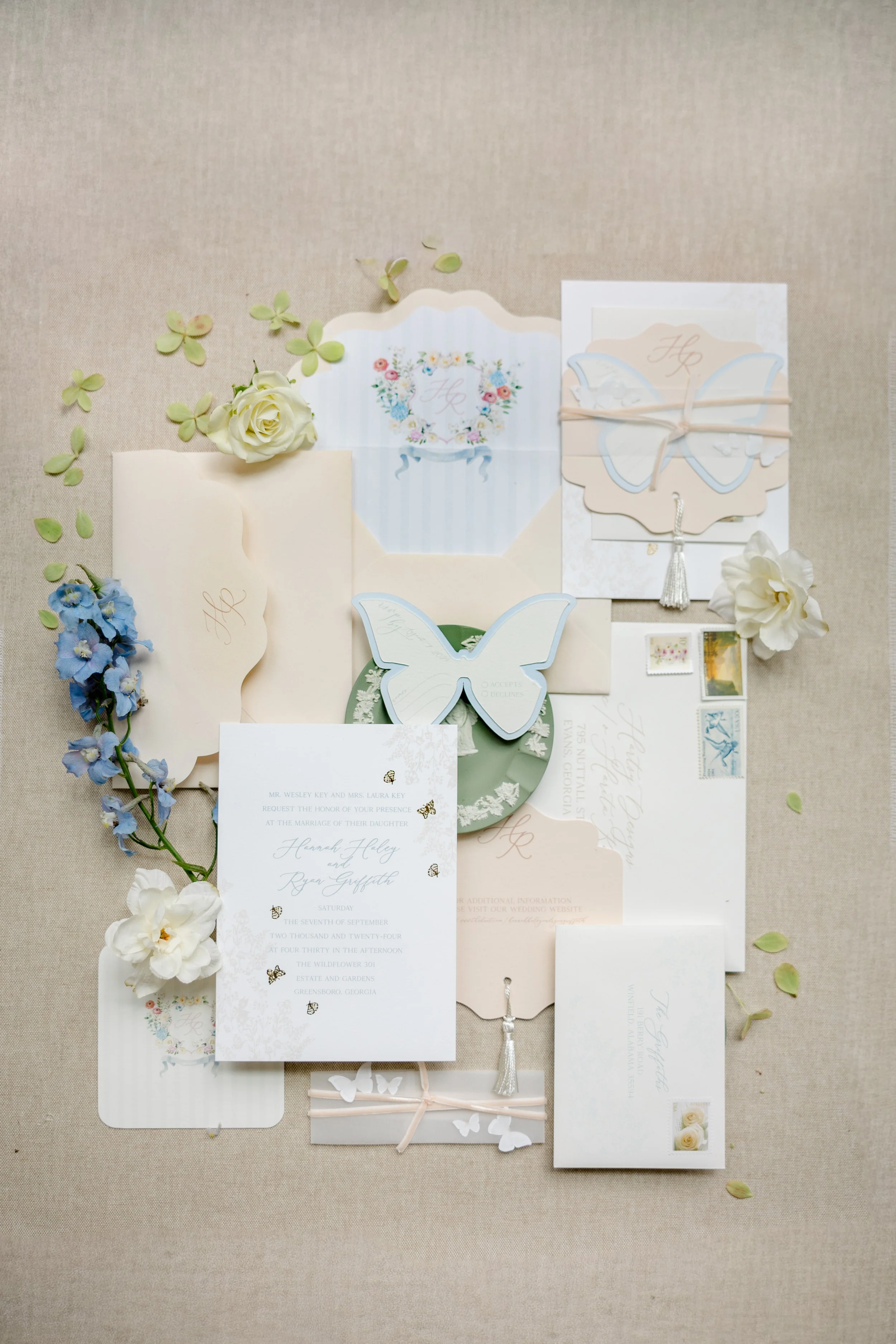
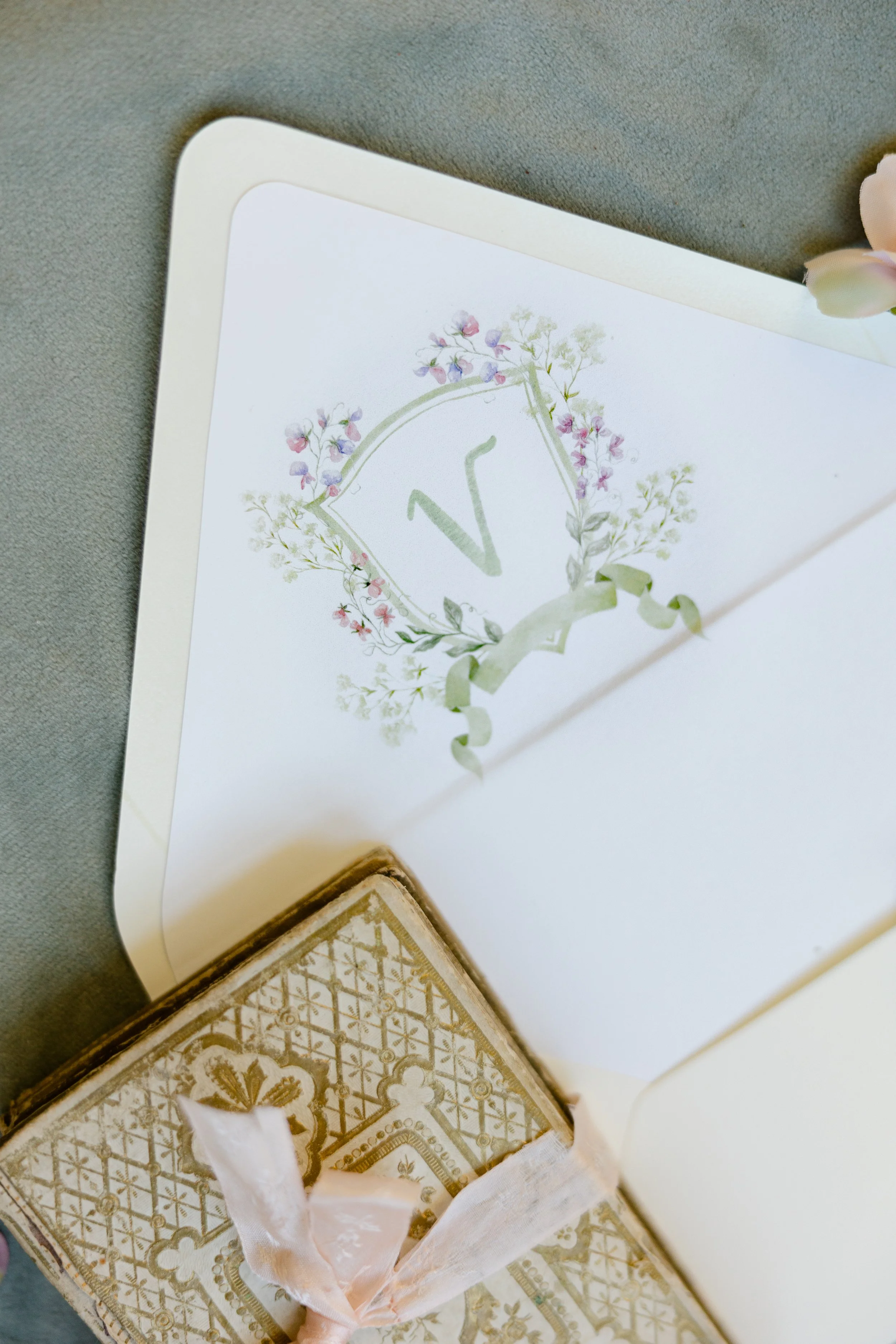
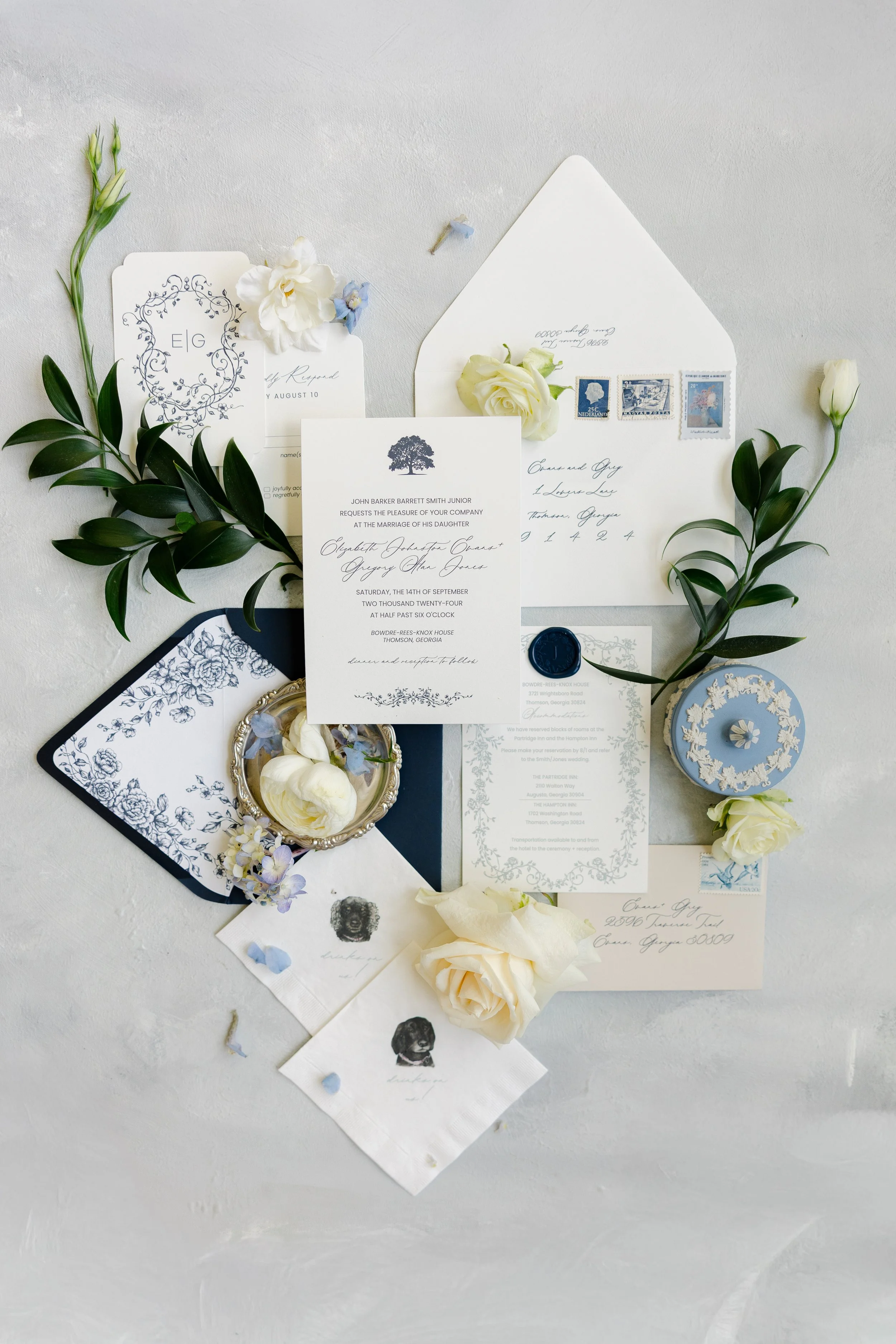
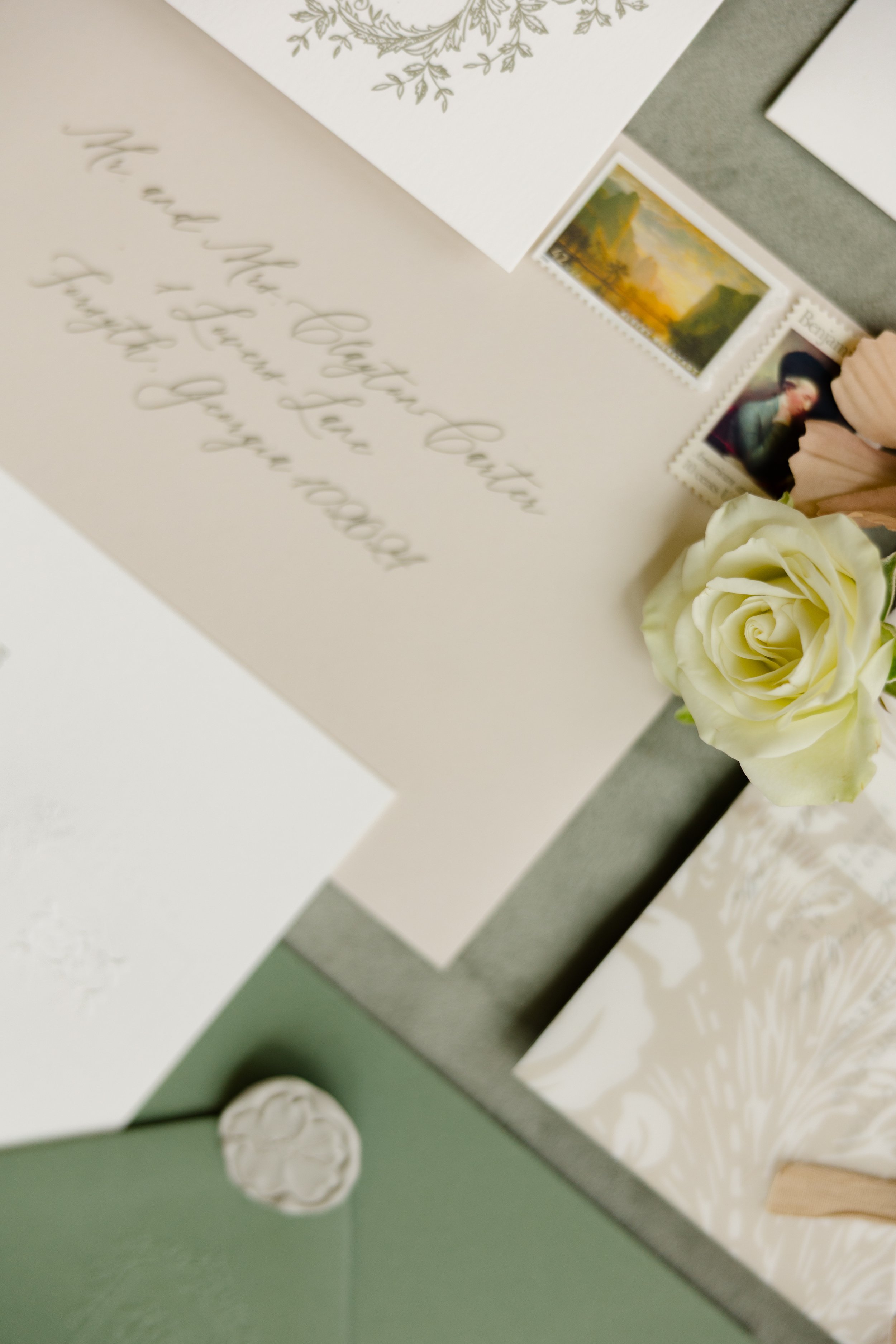
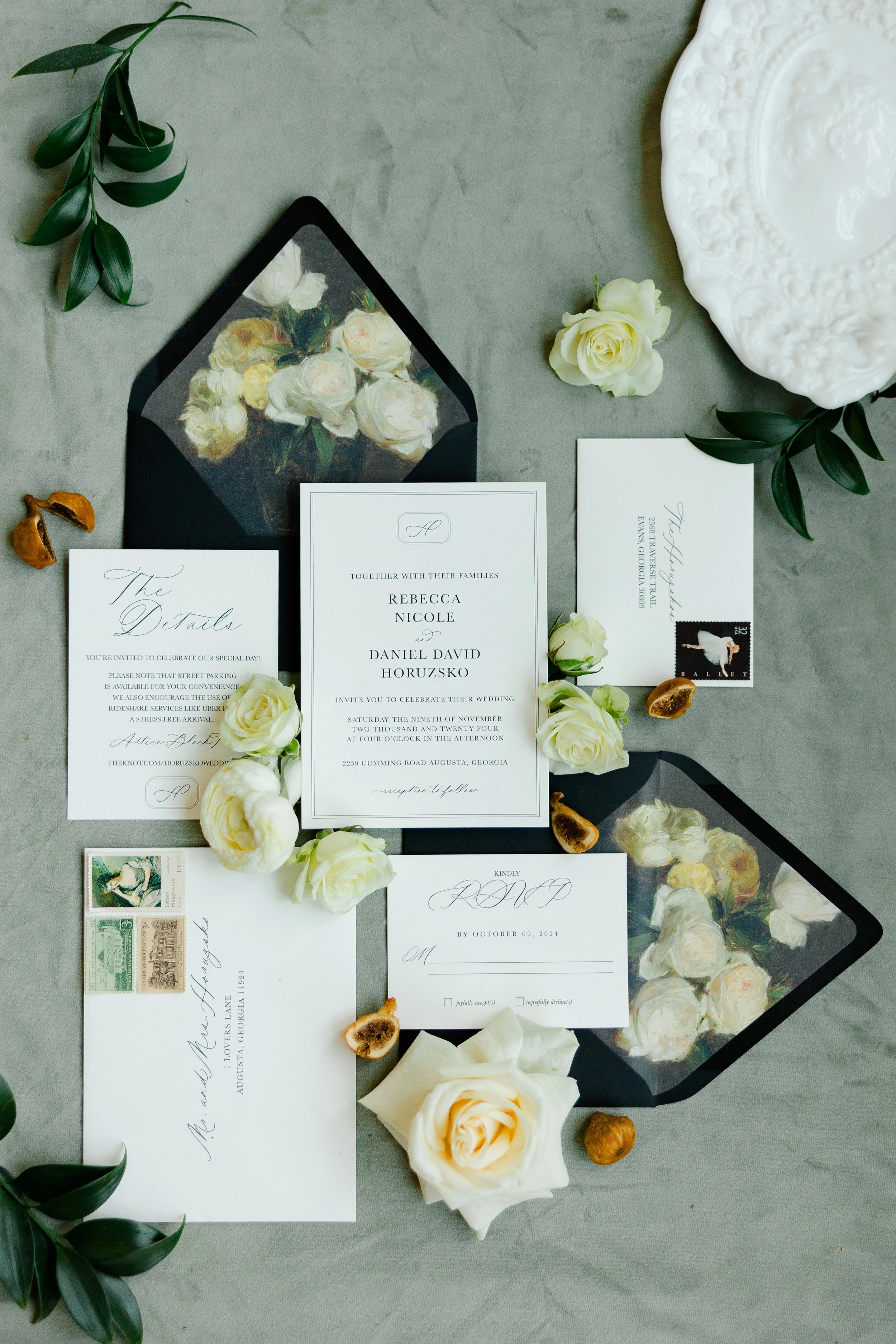
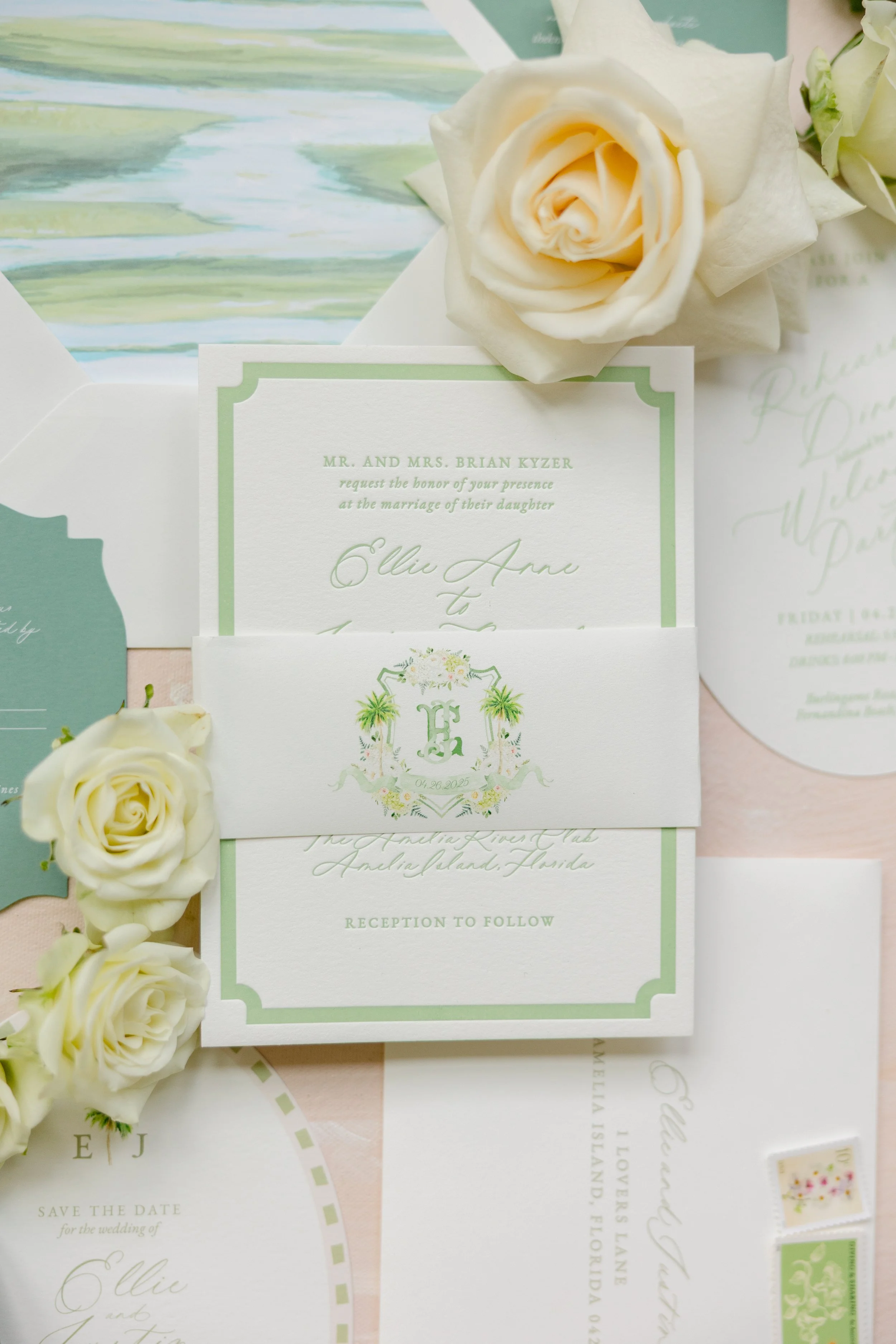
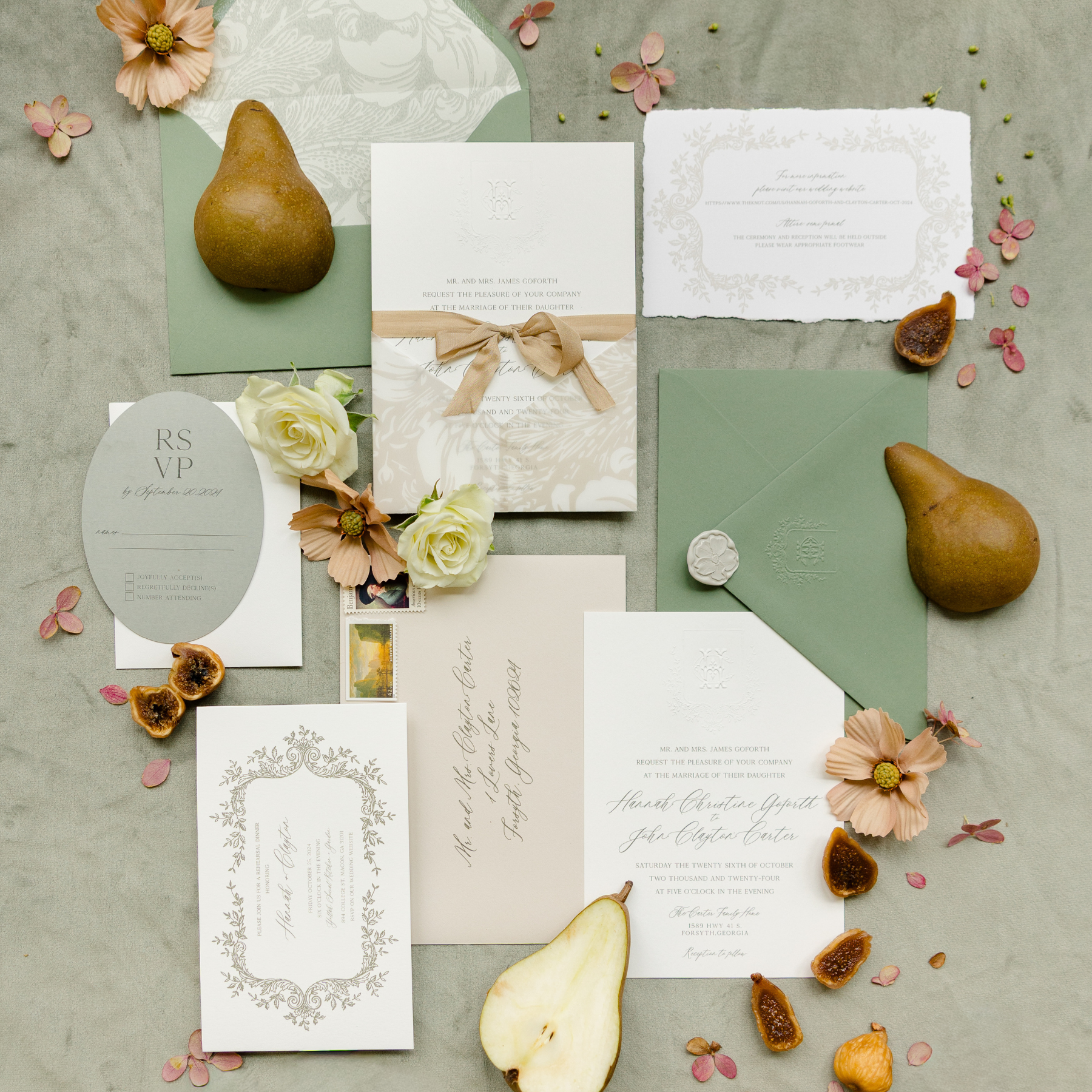
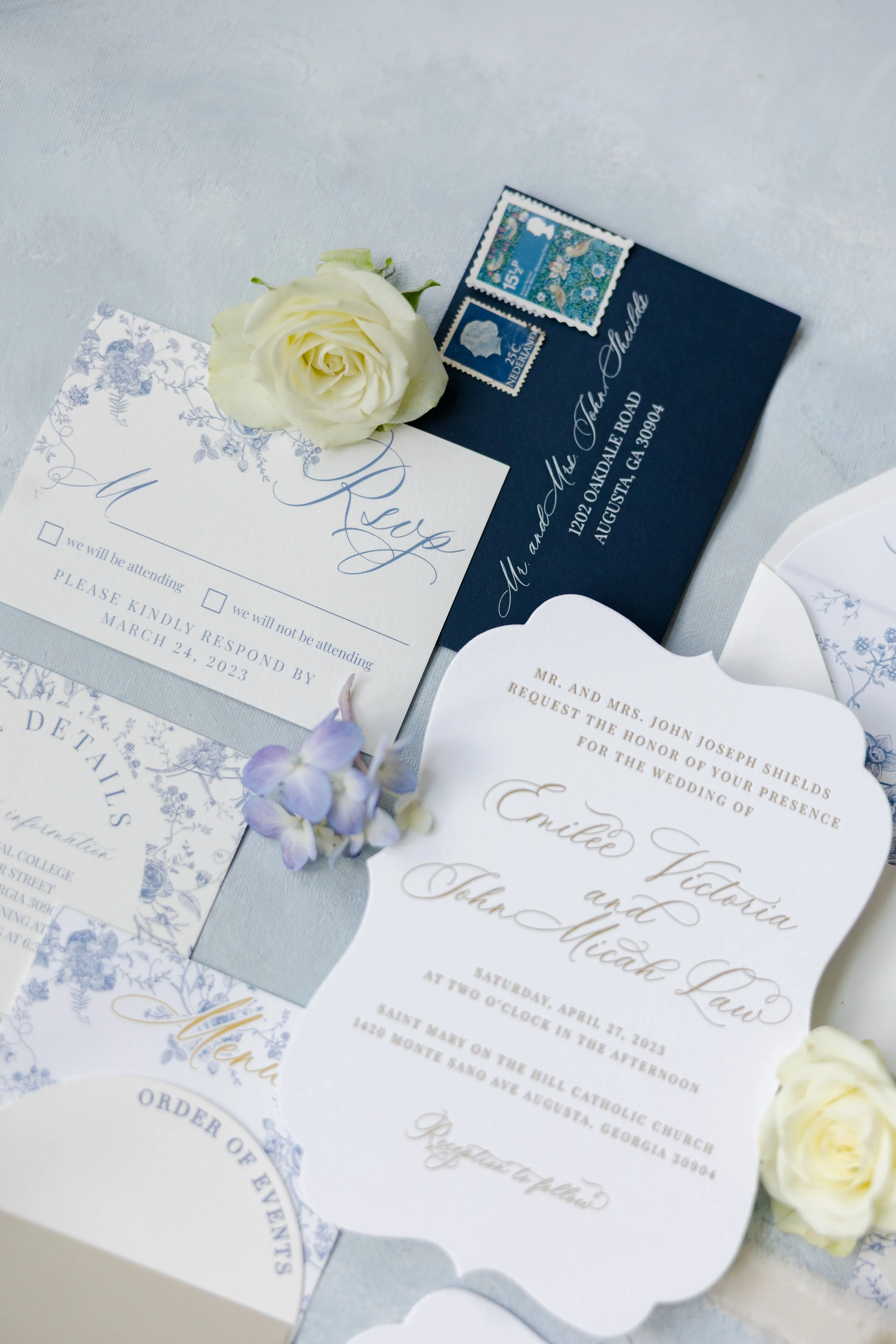
If your invitation suite includes bespoke design, specialty printing, layered pieces, envelope liners, wax seals, custom artwork, letterpress, foil stamping, embossing, or hand-assembled details, your timeline should reflect the craftsmanship involved.
The invitation itself is also only one part of the equation.
Your mailing timeline needs to account for:
USPS delivery time to guests
Time for guests to review and return RSVP cards by mail
Follow-up with late responders
Final guest counts for catering and rentals
Seating chart completion
Escort cards, menus, programs, signage, and other day-of stationery details
For Hartsy clients, we’ve found that a 12–14 week invitation mailing timeline creates a more comfortable, intentional experience for the bride, planning team, and vendors.
Wedding Invitation Timeline at a Glance
A well-planned wedding invitation timeline starts by working backward from the wedding date.
Here’s a practical framework:
6 months before the wedding
Begin the custom stationery design process.
This is typically when Hartsy clients begin planning their invitation suite. Starting early allows time for:
creative direction
wording development
proof revisions
guest list coordination
paper and print selections
custom illustration development
specialty production timelines
mailing preparation
4-6 months before the wedding
Send save-the-dates.
Save-the-dates give guests early notice, especially if they’ll need to:
request time off
arrange childcare
book flights
reserve accommodations
plan around holiday weekends
For destination weddings or celebrations with significant travel, earlier is often better.
12-14 weeks before the wedding
Mail formal wedding invitations.
For custom wedding stationery, this is often the ideal window.
This timing allows:
1–2 weeks for postal delivery
time for guests to review details
several weeks for mailed RSVP returns
a buffer for late responses
room to finalize vendor counts without stress
This timeline is especially helpful when your guests are traveling or your celebration includes multiple events.
4-5 weeks before the wedding
RSVP deadline.
Mail-in RSVP cards require more time than digital responses.
Even with beautifully designed reply cards and pre-addressed envelopes, some guests wait until the final possible moment—and USPS timing should be considered in both directions.
A four-to-five-week RSVP deadline creates breathing room for:
follow-up outreach
meal count confirmation
seating chart planning
escort card production
day-of stationery completion
2-3 weeks before the wedding
By this stage, your planner, caterer, venue, and stationery designer likely need final numbers.
This is when details like:
seating charts
place cards
escort displays
menus
ceremony programs
bar signage
welcome materials
begin moving into final production.
Save the Date vs Wedding Invitation: What’s the Difference?
When planning your wedding stationery timeline, it helps to understand the distinct role each piece plays.
A save-the-date serves as your guests’ first introduction to the celebration. Its purpose is to provide early notice of your wedding date and general location, giving loved ones time to begin making arrangements—whether that means requesting time off, coordinating childcare, reserving accommodations, or booking travel.
A formal wedding invitation serves a different purpose. This is the official invitation to your celebration, typically containing the finalized details guests need to attend confidently, including ceremony and reception information, RSVP instructions, dress code guidance when appropriate, and any additional event details you’d like to share.
Because save-the-dates create early awareness, formal invitations can focus on the full guest experience rather than functioning as first notice. If you choose not to send save-the-dates, your invitation timeline may need to shift earlier—particularly if your guest list includes travelers or out-of-town attendees.
For couples investing in custom stationery, thinking about these pieces as part of one cohesive communication timeline—not separate decisions—often creates a smoother planning experience.
Why Custom Wedding Invitations Require More Lead Time
One of the biggest misconceptions couples encounter is assuming invitation timing starts when the envelopes go in the mail.
In reality, the mailing date is simply the final step in a much longer process.
Custom invitation suites often include:
bespoke design development
custom illustrations or venue artwork
wording consultation
multiple proof rounds
specialty print production
hand assembly
guest addressing
postage coordination
mailing logistics
Certain finishes also require additional time.
For example:
Letterpress involves a more involved production process than flat digital printing.
Foil stamping adds specialty setup and finishing time.
Embossing introduces additional craftsmanship and production steps.
Layered invitation suites with inserts, liners, wraps, or embellishments require more assembly.
For this reason, Hartsy Designs typically begins the invitation process up to six months before the wedding.
That timeline creates space for thoughtful design, rather than rushed decisions.
When should RSVPs be due?
Your RSVP deadline should be determined by working backward from the moment your vendors need final numbers.
For weddings using traditional mailed RSVP cards, Hartsy typically recommends setting the response deadline approximately four to five weeks before the wedding. This allows time for invitations to arrive, gives guests a reasonable window to respond, and accounts for the reality that mailed replies often take longer than expected to make their way back.
That timeline also creates valuable breathing room behind the scenes. Final guest counts often affect far more than catering alone; seating charts, rental quantities, meal selections, escort cards, place cards, menus, and other day-of paper details frequently depend on confirmed attendance.
Even with thoughtfully designed RSVP cards and clear instructions, some guests inevitably respond late. Building in time for follow-up outreach helps prevent the final weeks of planning from becoming unnecessarily compressed.
A well-planned RSVP deadline should support the broader wedding timeline—not create additional stress during an experience you’re meant to cherish.
What if you’re sending wedding invitations late?
If you’re behind schedule, clarity matters more than perfection.
Prioritize:
mailing invitations immediately once details are confirmed
setting a realistic but firm RSVP deadline
personally following up with key guests
communicating accommodations or travel details clearly
preparing for a more compressed planning window
If your timeline is especially tight, custom production options may need to be simplified.
A stationery designer can help you determine what remains realistic without sacrificing quality unnecessarily.
Wedding Invitation Timing FAQs
When should I start working with a stationery designer?
For a custom invitation suite and coordinating signage or paper goods, ideally around six months before the wedding.
That allows ample time for design development, revisions, production, assembly, and mailing without unnecessary pressure.
Is 3 months too early to send wedding invitations?
No; in fact, for highly customized weddings, three months is ideal.
If your invitations include mailed RSVP cards, guest travel, or specialty stationery production, earlier timing often creates a smoother experience.
Is 4 weeks too late to send wedding invitations?
For most weddings, yes.
Four weeks leaves very little room for postal delivery, mailed RSVP returns, follow-up, and final vendor coordination.
The tighter the timeline, the fewer options you may have for custom production.
Should all guests receive invitations at the same time?
In most cases, yes.
Consistent mailing keeps communication organized and simplifies RSVP tracking.
If certain guests need earlier awareness, save-the-dates are usually the better solution.
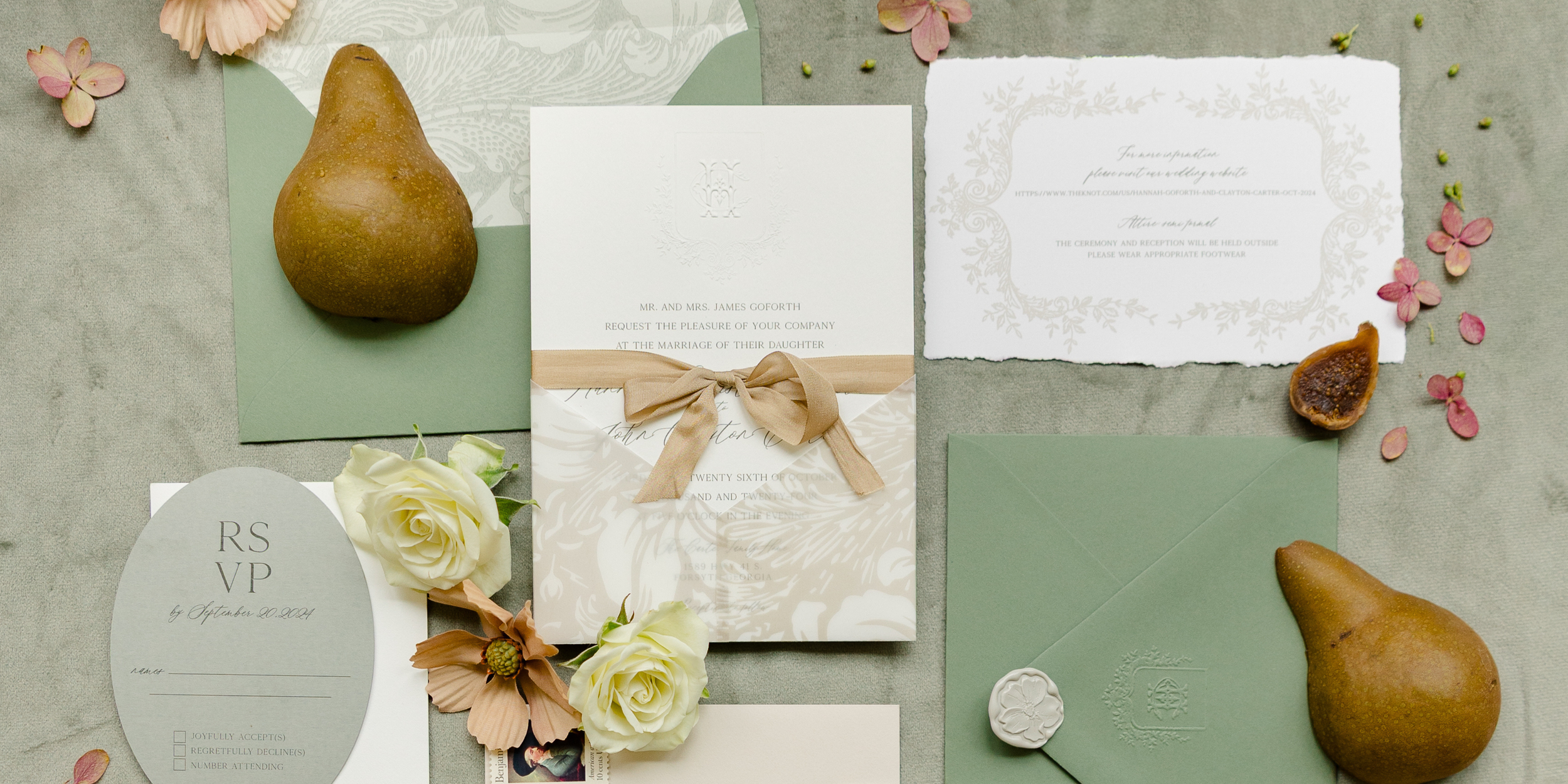
Custom Wedding Invitations Designed With Intention
Knowing when should you send wedding invitations is only one part of creating a thoughtful guest experience.
Beautiful stationery requires planning, craftsmanship, and time.
Hartsy Designs creates bespoke wedding invitation suites for couples seeking an elevated, highly personalized paper experience—from save-the-dates and formal invitations to day-of stationery that carries the story through every detail.
Whether your vision includes custom artwork, letterpress, foil stamping, embossing, layered finishing details, or a fully cohesive paper suite, beginning early creates the space for creativity and a more seamless experience.
Planning your wedding stationery? Explore our custom invitation experience.